
How to Work With a Live Calligraphy and Engraving Artist for Your Next Brand Event
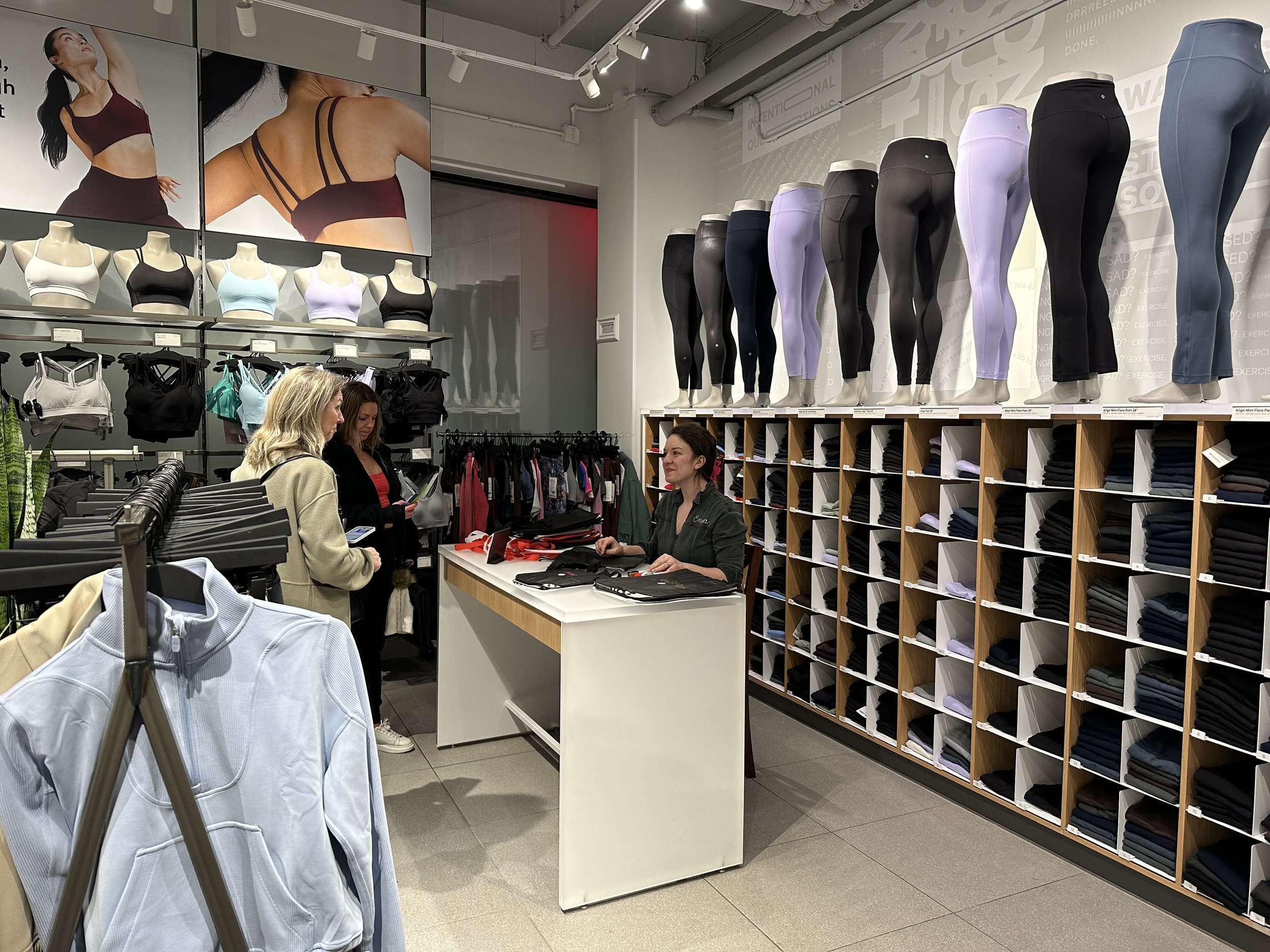
You've seen it at retail activations, corporate holiday parties, and brand pop-ups: a crowd gathering around a table while someone works quietly, deliberately, creating something personal right in front of them. That's live calligraphy and engraving — and if you're an event planner, retail manager, or brand marketer, it's one of the most effective ways to turn an ordinary event into something guests actually talk about afterward.
But if you've never worked with a live lettering artist before, it's natural to have questions. How does it work? What do you need to provide? How many guests can actually be served? What's the process for booking?
I've worked live events for brands including Louis Vuitton, Kendra Scott, and Famous Footwear — and the questions I get from planners and brand managers are almost always the same. So here's the honest, practical guide I wish every client had before we got on our first call.
First: what does a live lettering artist actually do at an event?
It sounds simple, but it's worth being clear: a live calligraphy and engraving artist sets up at your event and personalizes items on the spot, one at a time, while guests watch. That experience — the act of watching something being made just for them — is most of the magic.
Depending on the service, this might look like:
Engraving names or short messages onto champagne flutes, tumblers, ornaments, or branded merchandise
Hand-lettering gift tags, packaging, journals, or cards with calligraphy
Applying hot foil lettering to faux leater or leather items for a luxury finish
Guests typically tell the artist what they'd like — their name, a date, a short phrase — and within a few minutes, they walk away with something genuinely one of a kind. It draws a crowd. It creates content. And unlike a lot of event activations, it gives people something they actually want to keep.
How the booking process works
Working with a live lettering artist doesn't need to be complicated — but it does benefit from a little lead time and good communication upfront. Here's how I typically work with clients from first contact to event day.
Step 1: The Initial Inquiry
The process starts with an inquiry — usually through a contact form or a direct email. At this stage, you don't need to have everything figured out. The basics I need to get started are: your event date, the general type of event, roughly how many guests you're expecting, and what kind of service you're interested in (engraving, calligraphy, foiling, or some combination).
From there, I'll follow up within a day or two to schedule a quick call. That conversation usually takes 15–30 minutes and is where we figure out the details together.
Step 2: The Planning Call
This is genuinely one of the most useful parts of the process. On the planning call, we'll talk through:
What items will be personalized (yours, or ones I source)
The flow of the event and how the personalization station fits in
Expected guest volume and how to manage throughput
Setup requirements (table space, power access, timing)
Any brand guidelines, specific wording, or style preferences
By the end of the call, I'll have everything I need to put together a custom proposal — and you'll have a clear picture of exactly what to expect on the day.
p.s. if you’d prefer to communicate details just by email (we’re all busy!), that’s fine too!
Step 3: Proposal, Contract, and Deposit
After our call, I'll send a custom proposal with pricing, a breakdown of services, and any relevant details specific to your event. If everything looks good, we move to a contract and a deposit to hold your date. No date is confirmed without both.
A note on timing: I recommend reaching out at least 4–6 weeks before your event. November and December book up quickly, so if you're planning a holiday event, earlier is always better. That said, I do occasionally have availability for shorter lead times. It's always worth asking!
What to Think About Before Your Event
The clients who have the smoothest event day are almost always the ones who thought through a few key questions early. Here's what I recommend considering.
What are guests receiving — and what's being personalized?
This is the most important decision you'll make. Are you providing branded merchandise for guests to have personalized on-site? Are you providing the items yourself? Or would you like me to source them?
For engraving, the material matters a lot — I work on glass, metal, and leather. For calligraphy, almost any flat surface works: paper, cardboard, packaging, fabric. If you have something specific in mind, send it over early so I can confirm it'll work and test it before the event.
How many guests are you expecting?
Volume is the question I get most often, and the honest answer is: it depends on what's being personalized and how long the event runs. As a general guide, I can personalize approximately 15–25 engraved items per hour, or 20–30 calligraphed items per hour, for names or short messages.
For larger events (200 guests or more) we'll build a plan during our call to make sure the experience stays smooth for everyone. Sometimes that means extending hours, curating a limit of options for guests, or sub-contracting additional calligraphers. I've managed high-volume events many times and love helping planners think through the logistics.
Do you want guests to choose their own personalization, or will it be predetermined?
Both work. Some brands offer the same element (think, a first name, initial, or monogram). Others let guests choose their own short message or phrase. There's no wrong answer, but it affects how the line flows and how long each piece takes, so it's worth deciding early.
Where will the personalization station be set up?
I typically need a 6-foot table and access to a standard outlet for events, depending on the service. This allows ample space for me to work, while also accounting for blank items to be displayed and completed items to be held in the event guests don’t take them right away. Where the table goes within your event space matters more than people expect. A station in a visible, high-traffic area generates more engagement and organic social content than one tucked in a corner. I'm always happy to advise on placement if you're not sure.
Your Pre-Event Checklist
Event date, start time, and expected end time confirmed
Items to be personalized identified (or sourcing discussed)
Estimated guest count shared
Table space and power outlet confirmed with venue
Personalization options decided (guest choice vs. predetermined)
Brand guidelines or style preferences shared
Contract signed and deposit paid to hold your date
What to Expect on Event Day
I typically arrive 30-45 minutes to set up, test my equipment, and make sure everything is ready before your first guest arrives. You shouldn't need to manage anything on the day itself; I'll handle the station completely.
A few things guests will often ask your team that are helpful to know:
How long is the wait? (Usually 5–10 minutes per person, depending on volume)
Can I get something for someone else? (Yes, always.)
What can be personalized? (Whatever's at the station — I'll make it clear with signage if that's helpful)
At the end of the event, I'll break down my setup, leave the space clean, and take care of any remaining logistics.
A few things that make events go especially well
After working hundreds of events, a few things consistently make the difference between a good experience and a great one.
Clear signage at the station. Guests don't always know what they're walking into. A simple sign explaining what's being offered and how to participate removes friction and keeps the line moving.
A designated point of contact on-site. Having one person from your team who knows the plan and can answer guest questions makes everything run more smoothly, especially for large events. We’ll determine the point of contact during our booking.
Sharing the experience on social. Live lettering is incredibly visual. If you're documenting the event, the personalization station is usually one of the most photographed moments.
Realistic expectations for volume. I’ll provide my professional recommendations on how to manage flow and ensure every guest receives the personalization they want.
Ready to bring live lettering to your next event?
Whether you're planning a retail activation, a corporate holiday party, a brand pop-up, or a VIP gifting experience, I'd love to help you think through what would work best for your event and your guests.
The best place to start is my inquiry form! Share the basics, and I'll follow up within 1–2 business days. No commitment required to have a conversation.